

Getting started with customs data analysis
A practical guide for international traders who want better control, stronger compliance and clearer insight from their customs data.
Why customs data matters more than ever
Customs data is no longer just documentation.
It underpins duties and taxes, origin, preferential treatment, sustainability reporting and audit readiness. At the same time, regulatory requirements are increasing, data volumes are growing, and responsibility remains with the international trader.
Yet many companies still work with fragmented customs data, limited visibility and reactive follow-up.
This guide explains how to change that.
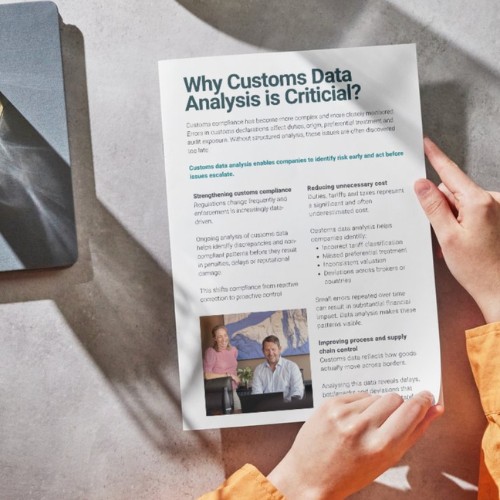
What you will learn from this guide
In this guide, you will learn how to:
- Build a structured approach to customs data analysis
- Identify deviations that indicate compliance risk or hidden cost
- Use dashboards to gain overview across brokers, countries and products
- Apply exception-based monitoring instead of manual reviews
- Prepare for audits and new regulatory requirements with verified data
The guide is written for compliance, finance and supply chain professionals working with international trade.
Who this guide is for
This guide is relevant if you:
- Import or export goods
- Work with one or more customs brokers
- Are responsible for customs compliance, finance or internal control
- Want better visibility and control over customs data

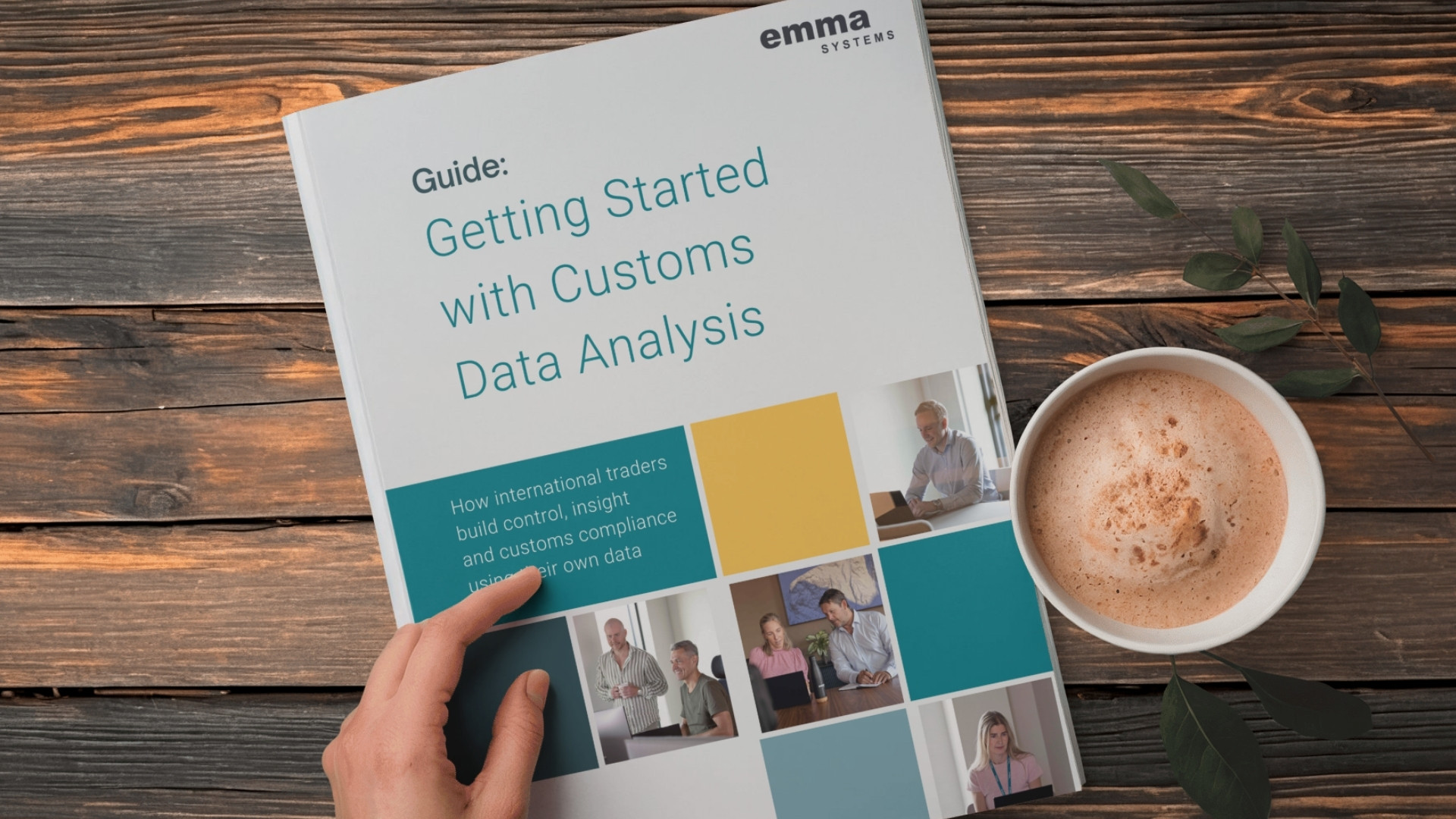
Download guide
Get a practical introduction to customs data analysis and learn how to move from fragmented data to structured control.